


Nothing kills a productive afternoon quite like the Blue Screen of Death. It is the universal symbol of tech failure, usually triggered by a piece of hardware and software having a violent disagreement. For years, Microsoft has let third-party vendors handle the “translation” between the OS and your hardware. Now, they have decided that is a recipe for disaster.
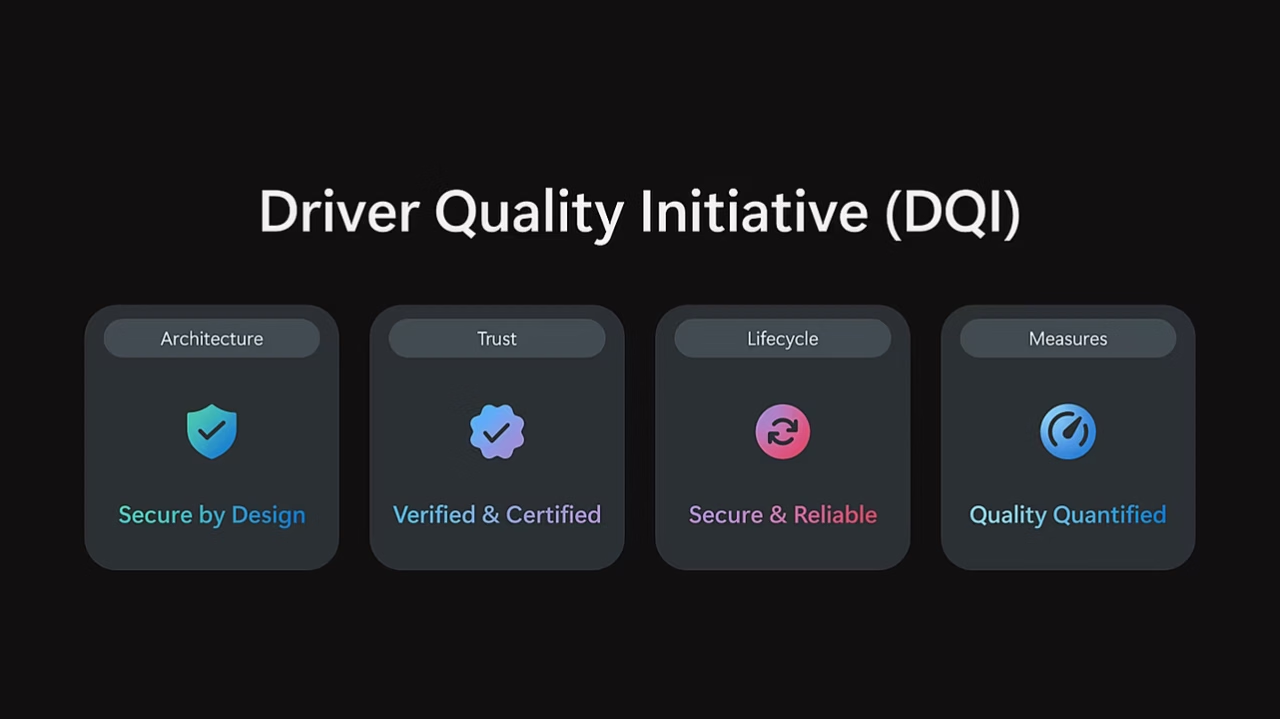
At the Ignite conference, Microsoft revealed a plan to aggressively expand its own in-house drivers for Windows 11. The goal is simple: replace as many third-party drivers as possible with standardized, Microsoft-built versions. They want to trim the fat and stop the fragmentation that makes Windows feel like a patchwork quilt of legacy code.
Table of Contents
The driver chaos
Windows already uses “Inbox Drivers” for basic things like NVMe storage and USB devices. But Microsoft is now moving into more complex territory. We are talking about drivers for printers, audio, USB Ethernet, and cameras.
Why the sudden power grab? Because the current ecosystem is a mess. There are trillions of active drivers maintained by thousands of different partners. When every company does things their own way, stability goes out the window.
Moving out of the VIP lounge
The real technical win here is where these drivers actually live. Right now, many third-party drivers run in “kernel mode.” This is the inner sanctum of your operating system. If a kernel mode driver trips, it takes the entire system down with it.
Microsoft wants to migrate more of these drivers to “user mode.” Think of this as moving the driver from the cockpit to the passenger seat. If a user mode driver crashes, your app might close, but your entire computer won’t commit digital suicide. Fewer lines of third-party code in the kernel means fewer security holes and fewer total system collapses.
Will we lose the cool stuff?
You might be wondering if this means your fancy gaming gear will stop working. Don’t worry. Microsoft isn’t trying to kill every single third-party driver.
OEMs can still provide specialized drivers for those “extra” features. If your gaming controller has customizable RGB lighting or a weird proprietary macro key, the manufacturer can still provide the software for that. Microsoft just wants to handle the boring, essential stuff so your PC actually stays on.
It is a bold move toward a more controlled ecosystem. Whether Microsoft can actually execute this without breaking a million legacy peripherals remains to be seen. But if it means one less Blue Screen of Death per year, I am all in.
Keep visiting for more such awesome posts, internet tips, and lifestyle tips & remember we cover
“Everything under the Sun!”


Follow Inspire2rise on Twitter. | Follow Inspire2rise on Facebook. | Follow Inspire2rise on YouTube